

Vernon Commonage Update: A Community Victory and What Comes Next
As an active member of the Vernon Commonage Preservation Conservation Partnership, the Grasslands Conservation Council has been working alongside community members, conservation organizations, and local residents to advocate for the protection of critical ecological habitats within the Vernon Commonage.
On June 9, Vernon City Council unanimously voted to deny the proposed development application for 580 Commonage Road. The decision followed extensive public engagement and reflects the importance many residents place on protecting one of the North Okanagan’s most ecologically significant landscapes.
While this decision represents an important milestone, it does not permanently protect the property. The conversation has now shifted from responding to a development proposal toward exploring what long-term conservation opportunities may exist for the future of the site.
Why the Vernon Commonage Matters
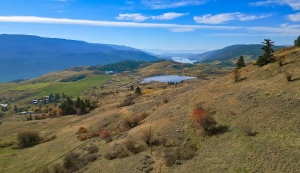
The Vernon Commonage contains some of the region’s most important remaining grassland ecosystems. These grasslands support a remarkable diversity of plants and wildlife and provide essential ecosystem services, including carbon storage, water filtration, pollinator habitat, and recreational opportunities.
According to biodiversity assessments conducted through the Okanagan Collaborative Conservation Program and Sensitive Ecosystem Inventory mapping, the area contains:
- Provincially red- and blue-listed species at risk
- Critical habitat identified under federal and provincial legislation
- Rare grassland ecosystems among the most endangered in Canada
- Important wildlife movement corridors connecting habitats across the landscape
- Nesting and breeding habitat for grassland-dependent birds and other wildlife
These ecosystems have developed over thousands of years and cannot simply be recreated once lost.
The Proposed Development
The proposal for 580 Commonage envisioned a mixed-use residential community including housing, parks, natural open space, and commercial development across a 421-hectare property. At full build-out, the project would have included approximately 3,960 housing units.
Throughout the review process, conservation organizations and community members raised concerns regarding the potential impacts on sensitive grassland ecosystems, wildlife habitat, and landscape connectivity.

A Strong Community Response
The council decision followed months of engagement from residents, conservation groups, scientists, and local organizations. Community meetings, public presentations, letters to council, and independent ecological reviews helped raise awareness of the biodiversity values found within the Commonage.
The Vernon Commonage Preservation Conservation Partnership brought together a diverse coalition of organizations and individuals committed to ensuring that ecological values remained part of the conversation. We are grateful to everyone who contributed their time, expertise, and voices throughout the process.
What Comes Next?
With the development application denied, discussions are now beginning around what future conservation opportunities may be possible.
Early conversations have focused on understanding the property’s conservation value, identifying potential partners, and exploring pathways that could help secure long-term protection should opportunities arise.
Potential next steps may include:
- Further documenting the ecological significance of the property
- Exploring partnerships with land trusts and conservation organizations
- Identifying funding opportunities that could support conservation outcomes
- Better understanding local and regional park and conservation priorities
- Engaging with Indigenous communities and rights holders regarding stewardship opportunities
- Exploring whether conservation solutions may be possible for all or portions of the property
Any future conservation outcome would require collaboration among landowners, conservation organizations, governments, Indigenous communities, and the broader public.
Our Conservation Vision
The Grasslands Conservation Council believes that any future planning for the Vernon Commonage should prioritize the long-term protection of its most ecologically valuable grasslands and wildlife habitats.
This includes:
- Protecting areas with the highest biodiversity value
- Maintaining habitat connectivity across the landscape
- Supporting Indigenous stewardship and cultural land management practices
- Conserving sensitive ecosystems and species at risk
- Ensuring future generations can experience and learn from these unique grassland landscapes
Looking Ahead
The unanimous council decision demonstrates the strength of community support for grassland conservation in the North Okanagan. It also highlights a growing recognition that grasslands are among British Columbia’s most endangered ecosystems and deserve thoughtful, long-term stewardship.
The Vernon Commonage remains an extraordinary landscape. While questions about its future remain, the recent decision has created an opportunity to explore conservation solutions that balance community needs with the protection of irreplaceable natural heritage.
The Grasslands Conservation Council will continue working with partners to support science-based conservation and help ensure that the ecological values of the Vernon Commonage remain part of the conversation moving forward.


